

Featured Image – Credit: www.highcontrast.co.uk
Impact Guest Blog: Marius Kwint, Reader in Visual Culture, writes on the highs and lows of writing a REF Impact Case Study
School of Art, Design and Performance, CCI
As a child, I was often chided for being too slow and perfectionist with my schoolwork. However, my Impact Case Study (ICS) for REF 2021, ‘Brains to Biennale: Bridging Art and Science to Build Audiences and Develop Artists’ was one instance when patience, perseverance and taking a long time seem to have paid dividends.
The ‘Brains’ bit of my ICS was an exhibition that I was invited to curate by Wellcome Collection in London. Brains: The Mind as Matter had famous brains in jars as well as fascinating biomedical imagery and artworks. Opening in 2012, it was a huge hit, smashing house records for attendance and getting national and international media splashes. The associated online game, Axon, had over 3.5M plays in the first month, and the Dissecting Brains video made for the show has since accrued over 19M views on YouTube.
Although Brains had not been designed to tour, the Museum of Science and Industry in Manchester requested it for the next year, 2013, in order to help change the museum’s image and cultivate a fresh, culturally savvy adult audience. Featuring some local exhibits, again the show romped home, attracting over 100,000 visitors in less than six months, well over double its target.
Disappointingly, however, my first attempt at an ICS about all this for the 2014 REF failed to fly, mainly because my subject area of art and design was not called forward in that round. Still, fortunately the Manchester version had run until 4th January 2014, making it into the validity window for the next REF.
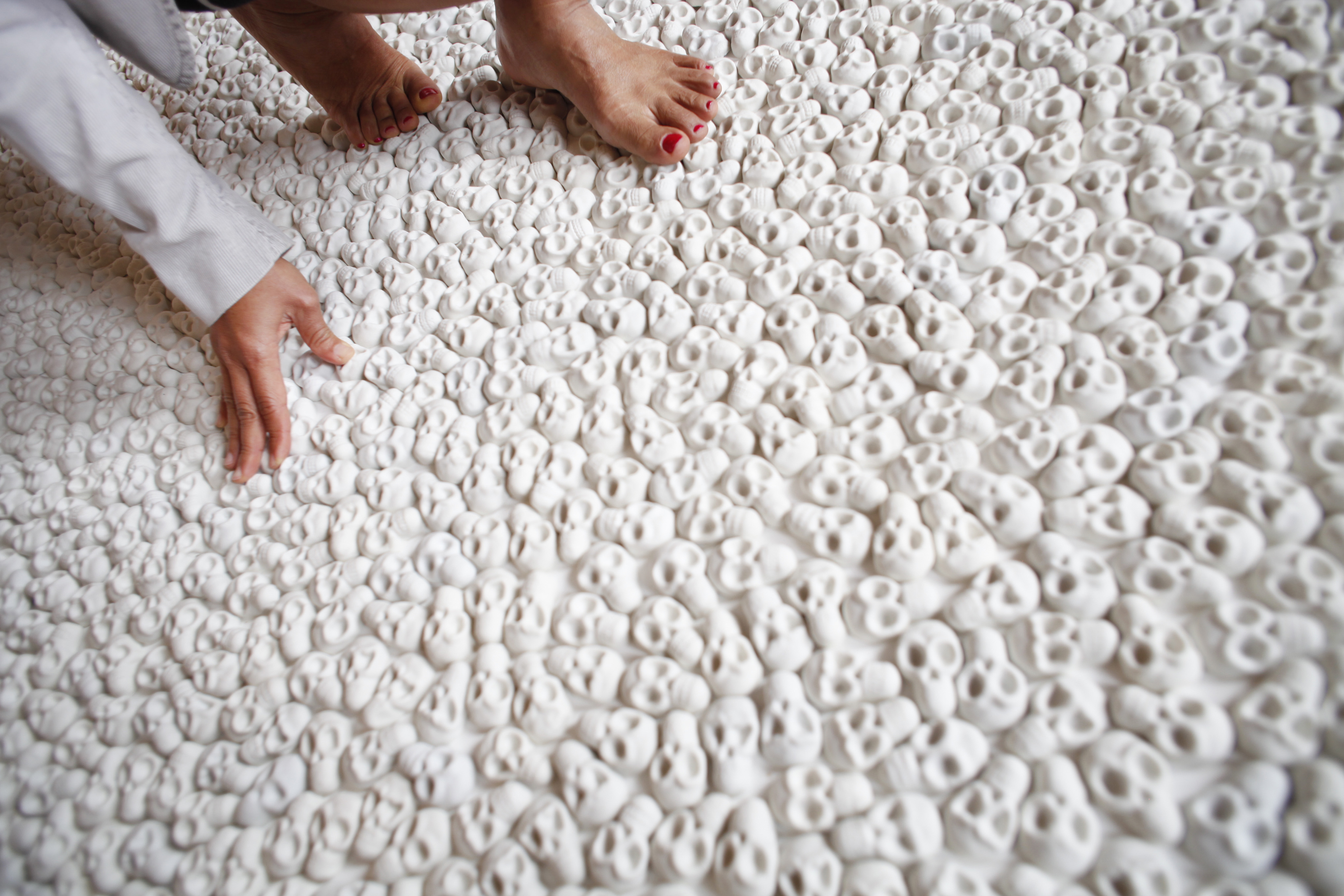
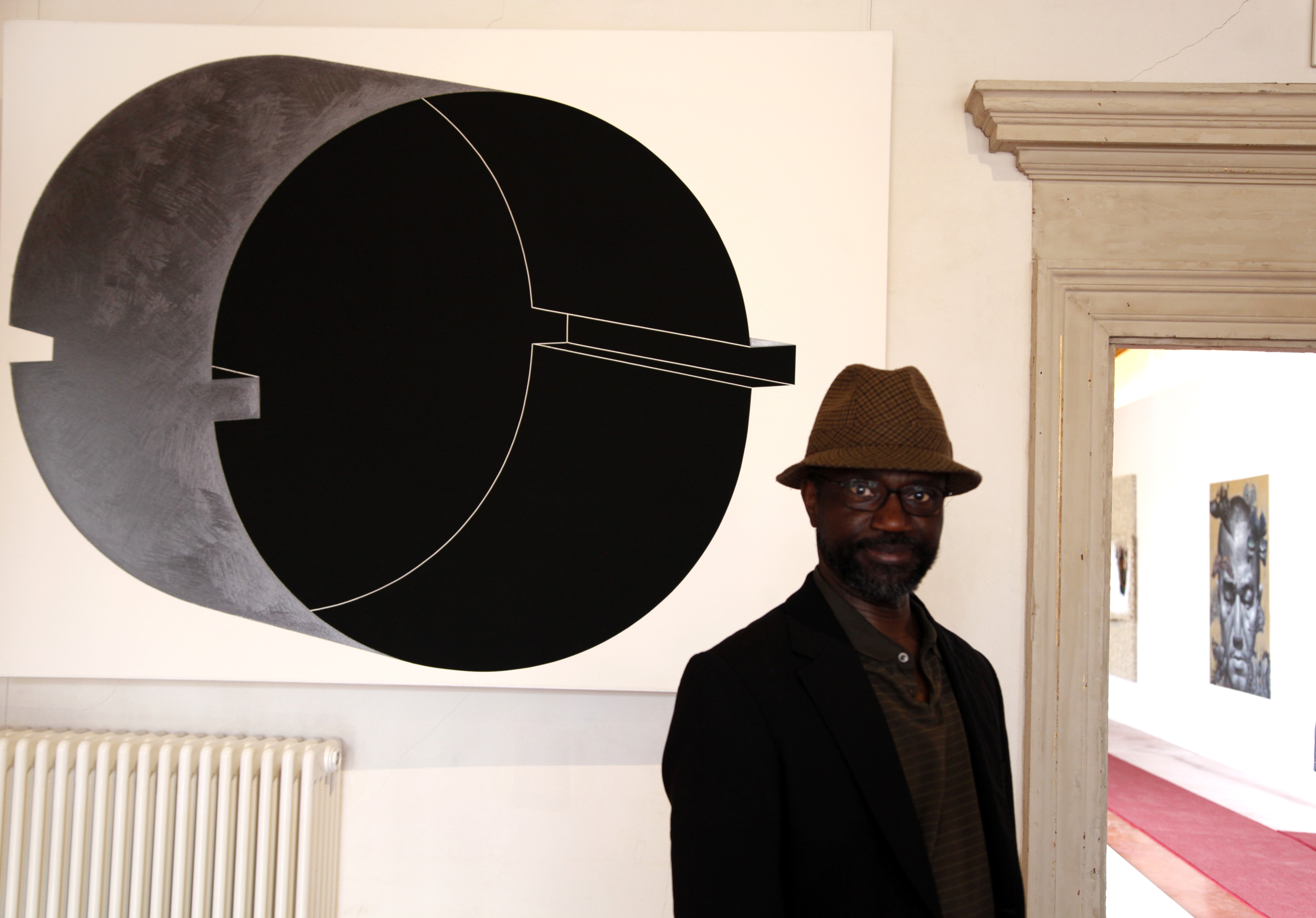
The ‘Biennale’ bit followed in 2015, when I was invited by international gallerist Sundaram Tagore to co-curate an ambitious contemporary art exhibition as part of the Venice Art Biennale — the Olympics of the art world. The theme of Frontiers Reimagined: Art That Connects Us was the interaction of cultures under globalization, with works by 44 artists from 25 countries worldwide. It too elicited outstanding audiences and accolades.
So, despite being initially frustrating, the seven-year wait was probably worth it, because I was able to draw upon this and later, smaller creative and curatorial projects in my eventual ICS, which scored highly in REF 2021. It takes time to realise impact: not only for the effects of one’s activities to become manifest, but also to gather the evidence and understand the distinctive nature of one’s practice or contribution.
My ICS further benefited from CCI Faculty funding to travel and gather evidence in the form of recorded interviews with former project partners (fellow curators and artists), audience members and other stakeholders. Crucial to writing was the ongoing, iterative dialogue I enjoyed with the UoP Impact Manager and CCI Faculty Impact Lead.
In my experience, therefore, a successful ICS is based on an open mechanism in which the three main gear wheels – dialogue, evidence and narrative – must be early identified and institutionally maintained. Patience and perseverance indeed.
 Research and Innovation
Further notes on pictures:
1. Corrosion cast of blood vessels in the brain (right hemisphere) c. 1980s.
– The entire vascular (blood vessel) system in a body or organ, down to the smallest capillaries, can be injected with resin, which fills the blood space before solidifying. The surrounding tissue is then corroded away with acid or alkaline solution. This example was made for medical teaching at the University of Manchester.
– Department of Anatomy, The University of Manchester
– Photo: highcontrast.co.uk
2. Thai artist Nino Sarabutra’s on her installation ‘What Will You Leave Behind’ (unglazed porcelain skulls, 1.4 x 14 metres) at Frontiers Reimagined, 2015. Photo: Sundaram Tagore Gallery. https://www.frontiersreimagined.org/sarabutra
3. Nigerian-British-US artist Osi Audu with ‘Self-Portrait II’, 2015, pastel and graphite on Fabriano Artistico paper mounted on canvas, 143.5 x 194.3 cm. Photo: Sundaram Tagore Gallery. https://www.frontiersreimagined.org/audu
LikeLike