
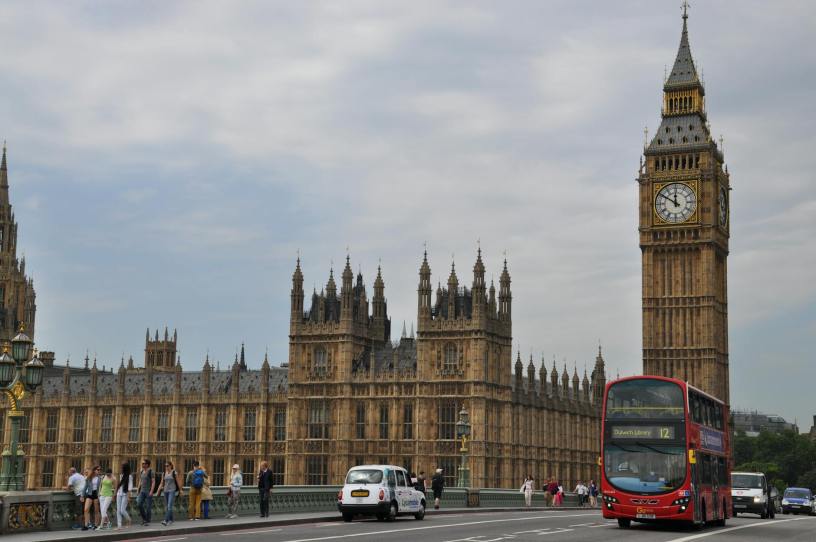
These are highlights from the opportunities compiled by UK Parliament’s Knowledge Exchange Unit (KEU) in their 15 May roundup with reference to Arts and Humanities disciplines.
Take a look at the KEU’s webhub of information and resources for researchers for further information on how to get involved.
These opportunities and resources have been sent to members of the research community who receive the KEU weekly round-up. In a few weeks, they will only be sent to subscribers who opt in. If you’d like to opt in to receive these Arts and Humanities highlights, please follow this link to update your communications preferences.
If you have been forwarded this email by someone else, and would like to receive these updates yourself, you can sign up here.
Jump to:
- All Arts and Humanities Researchers
- Archaeology
- Architecture and Design
- Classics
- Cultural and Museum Studies
- Creative and Performing Arts, Drama, Theatre, Film, Music, Visual Arts, Digital Art and Design, Life- and/or Creative Writing and Arts Policy Management
- Development Studies (and Area Studies)
- Diplomacy, International Relations and War Studies
- Gender Studies
- Geography (especially cultural and/or historical geography)
- Heritage and Heritage Management
- History
- Law
- Library Studies
- Languages and Literature
- Linguistics
- Media and Communication Studies, and Journalism
- Philosophy
- Political Theory
- Theology, Divinity and Religion
- Science and Technology Studies
All Arts and Humanities Researchers
- UK Research and Innovation (UKRI) – Public Accounts Committee – 22 May 2025.
All Arts and Humanities researchers might be interested in submitting evidence, as researchers, on UKRI’s Industrial Strategy Challenge Fund, and the extent to which UKRI’s management of grants is consistent with the principles of good funding support for research and innovation.
- Community of Practice – POST, KEU and UPEN – 28 May 2025.
If you currently set assessments related to policy-making, or otherwise train students in the skills necessary for communicating research to policy (or would like to!) then you might be interested in the Community of Practice which has been set up by POST, the KEU and UPEN, focussed on how research communication for policy can be used within assessments and curricula in Higher Education. At the moment, this involves filling in a short EOI.
Archaeology
- Building New Towns: Practical Delivery – Built Environment Committee – 23 May 2025.
This inquiry may benefit from input from archaeologists as it looks to answer the question “is the construction of new towns and expanded settlements practicable and achievable?”. For reference, the Committee asks that all submissions consider five core values which “reflect the popular consensus on what make a good new town”: wellbeing, accessibility, connectivity, sustainability and longevity.
- Regional differences in healthy life expectancy – POST – 23 May 2025.
Archaeology may potentially give insight into the causes underpinning these regional differences for this POSTnote.
- Multifunctional Land Use Decisions – POST – 11 June 2025.
Archaeology may also give insight into multifunctional land-use in the past. If you are interested, please contribute to this POSTnote via this form.
Architecture and Design
- Building New Towns: Practical Delivery – Built Environment Committee – 23 May 2025.
This inquiry may benefit from input from architecture and design as it looks to answer the question “is the construction of new towns and expanded settlements practicable and achievable?”. For reference, the Committee asks that all submissions consider five core values which “reflect the popular consensus on what make a good new town”: wellbeing, accessibility, connectivity, sustainability and longevity.
- Multifunctional Land Use Decisions – POST – 11 June 2025.
This POSTnote may be of interest, given possible insight from architecture and design for past, current and potential future multifunctional land-use, and how architecture and design might help meet the challenges posed by the competing demand for housing, infrastructure, food, energy and nature recovery, climate mitigation and adaptation. Contribute via this form.
Classics
- Multifunctional Land Use Decisions – POST – 11 June 2025.
This POSTnote may be of interest, given possible insight from Classics of multifunctional land-use in the past, and how ancient communities governed land-use. If you are interested, you can contribute via this form.
Cultural and Museum Studies
- Misogyny: The Manosphere and Online Content – Women and Equalities Committee – 6 June 2025.
This inquiry may be of interest to researchers in cultural studies and pop culture as well as gender and sexuality studies.
- Combatting New Forms of Extremism – Home Affairs Committee – 18 June 2025.
This inquiry on the growth of extremism and radicalisation in the UK, the impact of new technology, “com networks”, and the efficacy of Prevent may be of interest to researchers in cultural studies and pop culture as well as (potentially) gender and sexuality studies.
- Winter mortality – POST – 4 June 2025.
This POSTnote will summarise the factors that affect winter mortality and outline evidence for policies to prevent excess winter deaths. This might involve prescribing engagement with arts as a means of overcoming social isolation, and so research on that practice (and its effectiveness) might be relevant. Relatedly, you might have insight into the provision of “warm spaces” by cultural institutions, and the impact of this on winter mortality. Contributions can be made via this form.
- Cultural, Heritage and/or Tourism research and expertise needed – UK Parliament’s Restoration and Renewal Programme – 5 June 2025.
Parliament’s Restoration and Renewal Programme is calling for researchers and experts with relevant research and expertise to make themselves known to the programme via this form. The programme seeks to tap into emerging research on the value of cultural and heritage institutions. The research will be used to contextualise and enrich the decision-making process undertaken by Members of both Houses as different options for restoration and renewal of the Palace of Westminster are considered.
Creative and Performing Arts, Drama, Theatre, Film, Music, Visual Arts, Digital Art and Design, Life- and/or Creative Writing and Arts Policy Management
- Misogyny: The Manosphere and Online Content – Women and Equalities Committee – 6 June 2025.
This inquiry might benefit from insights from people working in, and researching, the creative and performing arts, as it asks “How prevalent are misogynistic views, attitudes and behaviour among young people today, particularly in educational settings? What examples are there of these views, attitudes and behaviours? In what other settings are such behaviours prevalent?”, for which knowledge about misogynistic content in art, music, film, TV etc. may be relevant.
- Regional differences in healthy life expectancy – POST – 23 May 2025.
This POSTnote may be of interest, especially to researchers working on the extent to which engagement with art(s) affects healthy life expectancy. Your contributions can be emailed to post@parliament.uk.
- Defending UK Airspace – POST – 30 May 2025.
This POSTnote may benefit from insight from people studying creative imaginings of airspace defence (e.g. in video games or films) and the impact this has on real-world defence design and expectations.
- Winter mortality – POST – 4 June 2025.
This POSTnote will summarise the factors that affect winter mortality and outline evidence for policies to prevent excess winter deaths. This might involve prescribing engagement with arts as a means of overcoming social isolation, and so research on that practice (and its effectiveness) might be relevant. Relatedly, you might have insight into the provision of “warm spaces” by cultural institutions, and the impact of this on winter mortality. Contributions can be made via this form.
- Cultural, Heritage and/or Tourism research and expertise needed – UK Parliament’s Restoration and Renewal Programme – 5 June 2025.
Parliament’s Restoration and Renewal Programme is calling for researchers and experts with relevant research and expertise to make themselves known to the programme via this form. The programme seeks to tap into emerging research on the value of cultural and heritage institutions. The research will be used to contextualise and enrich the decision-making process undertaken by Members of both Houses as different options for restoration and renewal of the Palace of Westminster are considered.
Development Studies (and Area Studies)
- Defending UK Airspace – POST – 30 May 2025.
Some Area Studies experts may have useful insight for this POSTnote on from the experience, policy or practice of other countries.
- Multifunctional Land Use Decisions – POST – 11 June 2025.
The POSTnote may also be of interest, given possible insight from area and development studies of multifunctional land-use, and its governance, in other countries, and how this is impacted by cultural, religious and/or historic factors. Contribute via this form.
- Winter mortality – POST – 4 June 2025.
This POSTnote will summarise the factors that affect winter mortality and outline evidence for policies to prevent excess winter deaths. Research from Area Studies about the cultural reasons for lower rates of winter mortality in colder European countries might make a useful contribution (via this form).
Diplomacy, International Relations and War Studies
- Women, Peace and Security – International Development Committee – 16 May 2025 – “however, the Committee will strive to consider written evidence submissions that arrive after this date”.
This inquiry is interested in the extent to which the UK Government integrates Women, Peace and Security principles across its ODA funded programming; examples of successful programmes and initiatives; current trends; the UK’s international role; and the sustainability of the UK Government’s WPS efforts. Researchers investigating the relationship between international relations and the culture, religion and history of relevant regions and countries may have useful insight for the Committee, as well as those who are more concerned with social and economic impacts. Similarly, researchers working on diplomacy with an interest in defence policy may have relevant findings for the Committee.
- AUKUS – Defence Committee – 30 May 2025.
This inquiry asks how far changes in the geopolitical situation have affected the assumptions which underpinned the partnership when it was announced in 2021, and whether these now present a threat to the success of AUKUS.
- Cost of Maintaining the FCDO’s overseas estate – Public Accounts Committee – 2 June 2025.
This inquiry may be of relevance to scholars in diplomacy, especially questions of cost-efficiency.
- Defending UK Airspace – POST – 30 May 2025.
This POSTnote may benefit from insight from War Studies/IR scholars working from an Arts and Humanities perspective/discipline, for example on the history of policy and practice around this issue.
Gender Studies
- Misogyny: The Manosphere and Online Content – Women and Equalities Committee – 6 June 2025.
Researchers approaching gender studies from within an Arts and Humanities perspective and/or with Arts and Humanities methodologies may be interested in this inquiry.
- Combatting New Forms of Extremism – Home Affairs Committee – 18 June 2025.
This inquiry on the growth of extremism and radicalisation in the UK, the impact of new technology, “com networks”, and the efficacy of Prevent may be of interest.
Geography (especially cultural and/or historical geography)
- Building New Towns: Practical Delivery – Built Environment Committee – 23 May 2025.
This inquiry may benefit from input from cultural and historical geographers as it looks to answer the question “is the construction of new towns and expanded settlements practicable and achievable?”. For reference, the Committee asks that all submissions consider five core values which “reflect the popular consensus on what make a good new town”: wellbeing, accessibility, connectivity, sustainability and longevity.
- Addressing the risks from Perfluoroalkyl and Polyfluoroalkyl Substances (PFAS) – Environmental Audit Committee – 26 May 2025.
This inquiry asks specifically about the current understanding of the geographical and socioeconomic distribution of PFAs. This may be something cultural geographers have insight into which might inform the Committee’s line of questioning.
- Misogyny: The Manosphere and Online Content – Women and Equalities Committee – 6 June 2025.
This inquiry may be of interest to cultural geographers.
- Combatting New Forms of Extremism – Home Affairs Committee – 18 June 2025.
This inquiry on the growth of extremism and radicalisation in the UK, the impact of new technology, “com networks”, and the efficacy of Prevent may be of interest to cultural geographers.
- Regional differences in healthy life expectancy – POST – 23 May 2025.
This POSTnote may be of interest to cultural and historical geographers who have insight into the causes underpinning these regional differences.
- Winter mortality – POST – 4 June 2025.
This POSTnote will summarise the factors that affect winter mortality. It will outline evidence for policies to prevent excess winter deaths. Some key factors in winter mortality (e.g. social isolation) may be of relevance to cultural geographers. Contribute via this form.
Heritage and Heritage Management
- Regional differences in healthy life expectancy – POST – 23 May 2025.
This POSTnote may also be of interest, especially if you have relevant knowledge on the link between engagement with heritage and healthy life expectancy.
- Cultural, Heritage and/or Tourism research and expertise needed – UK Parliament’s Restoration and Renewal Programme – 5 June 2025.
Parliament’s Restoration and Renewal Programme is calling for researchers and experts with relevant research and expertise to make themselves known to the programme via this form. The programme seeks to tap into emerging research on the value of cultural and heritage institutions. The research will be used to contextualise and enrich the decision-making process undertaken by Members of both Houses as different options for restoration and renewal of the Palace of Westminster are considered.
History
- Building New Towns: Practical Delivery – Built Environment Committee – 23 May 2025.
This inquiry may benefit from input from historians as it looks to answer the question “is the construction of new towns and expanded settlements practicable and achievable?”. For reference, the Committee asks that all submissions consider five core values which “reflect the popular consensus on what make a good new town”: wellbeing, accessibility, connectivity, sustainability and longevity.
- Misogyny: The Manosphere and Online Content – Women and Equalities Committee – 6 June 2025.
This inquiry may be of interest to cultural historians.
- Governance and decision-making on major projects – Public Accounts Committee – 10 June 2025.
This inquiry may benefit from historical research into delivery (or non-delivery) of UK Government “mega-projects” to understand how information has fed into key decisions on projects, and lessons learned.
- Call Lists – Procedure Committee – No deadline advertised.
This inquiry may be of interest to political historians.
- Regional differences in healthy life expectancy – POST – 23 May 2025.
This POSTnote may also be of interest, especially if you work on the history of medicine, and/or on issues in social, cultural or economic history which might be driving these regional inequalities.
- Defending UK Airspace – POST – 30 May 2025.
This POSTnote may be of interest to historians looking at the history of defence.
- Winter mortality – POST – 4 June 2025.
This POSTnote will summarise the factors that affect winter mortality and outline evidence for policies to prevent excess winter deaths. Research from historians might help contextualise this issue, and/or raise awareness of long-standing causes (e.g. poor housing or underlying health conditions) in specific areas. Contribute via this form.
- Multifunctional Land Use Decisions – POST – 11 June 2025.
This POSTnote may also be of interest, given possible insight from history of multifunctional land-use, and the governance of land-use, in the past. Contribute via this form.
Law
There are a number of Select Committee inquiries currently calling for evidence where specialists in specific areas of law (e.g. planning, transport, regulation, tax, water, and discrimination) may have expertise which is relevant. In addition, there are inquiries into government fees; the Autism Act; and Improving Family Court Services for Children which may also be of interest to lawyers and legal scholars. (More details below.)
- Building New Towns: Practical Delivery – Built Environment Committee – 23 May 2025.
This inquiry may benefit from input from lawyers as it looks to answer the question “is the construction of new towns and expanded settlements practicable and achievable?”. For reference, the Committee asks that all submissions consider five core values which “reflect the popular consensus on what make a good new town”: wellbeing, accessibility, connectivity, sustainability and longevity.
- Addressing the risks from Perfluoroalkyl and Polyfluoroalkyl Substances (PFAS) – Environmental Audit Committee – 26 May 2025.
This inquiry asks about UK health and environmental regulators, regulations and regulatory regime for PFAs in the UK and internationally.
- Water Sector Regulation – Public Accounts Committee – 26 May 2025.
This inquiry is interested in understanding the effectiveness of current regulation.
- Collecting the right tax from wealthy individuals – Public Accounts Committee – 29 May 2025
This inquiry may benefit from insight from lawyers whose specialism is tax law.
- Autism Act 2009 – Autism Act 2009 Committee – 2 June 2025.
This inquiry asks for input from researchers exploring how to support autistic people, particularly around questions relating to criminal and youth justice.
- Improving Family Court Services for Children – Public Accounts Committee – 9 June 2025.
This inquiry will ask questions relating to capacity to meet demand; a “whole systems approach”; and how to deliver an effective and efficient service.
- Improving local areas through developer funding – Public Accounts Committee – 16 June 2025.
This inquiry might be of interest to experts in planning law.
- Combatting New Forms of Extremism – Home Affairs Committee – 18 June 2025.
This inquiry on the growth of extremism and radicalisation in the UK, the impact of new technology, “com networks”, and the efficacy of Prevent may be of interest to experts on extremism, Prevent, and online regulation.
- Reducing NHS Waiting times for elective care – Public Accounts Committee – 19 June 2025.
This inquiry will hear from senior officials and NHSE and DHSC on governance and oversight of elective care transformation programmes
- Civil Service Pensions – Public Accounts Committee – 23 June 2025.
This inquiry in looking at the impact of the McCloud judgement and issues of age discrimination.
- Government fees, charges and levies – Public Accounts Committee – 26 June 2025.
This inquiry is interested in how effectively government adheres to HM Treasury’s Managing Public Money guidelines in implementing changes; the legal authority of charging fees; and transparency. Case studies are likely to focus on charges around passports, visas, Companies House fees, driving licence fees, data protection fees, court fees, and gambling licenses.
- Local Bus Services in England – Public Accounts Committee – 3 July 2025.
This inquiry is interested in risks and barriers to improvement of local bus services.
- Resilience to threats from animal disease – Public Accounts Committee – 7 July 2025.
This inquiry will question senior officials from Defra and representatives from other relevant bodies on Defra’s ability to establish and manage the structures, systems and governance processes needed to ensure England’s resilience to animal diseases, and whether England is prepared to respond to animal disease outbreaks and could effectively recover.
- MOD’s Oversight of Reserve Forces’ and Cadets’ Associations – Public Accounts Committee – No deadline.
This inquiry is also interested in questions of governance and oversight arrangements.
- Defending UK Airspace – POST – 30 May 2025.
This POSTnote may be of interest, given potential links to human rights, international law and jurisprudence/philosophy of war.
- Multifunctional Land Use Decisions – POST – 11 June 2025.
This POSTnote may also be of interest, given possible insight from lawyers on land-use governance. Contribute via this form.
- Promoting and Facilitating the use of British Sign Language (BSL) Area of Research Interest – Senedd Cymru – No deadline.
This ARI specifically mentions the question of how effective the existing legislative framework is at recognising and protecting the rights of d/Deaf people and BSL users.
Academics at all career stages, research institutions, and experts are encouraged to register their interest in this ARI, add their existing research and any planned research in this topic area to the ARI repository, and suggest questions that the Committee could be asking the Welsh Government in the short, medium, and long-term.
Library Studies
- Winter mortality – POST – 4 June 2025.
This POSTnote will summarise the factors that affect winter mortality and outline evidence for policies to prevent excess winter deaths. Insight into the provision of “warm spaces” by libraries and similar institutions, and the impact of this on winter mortality, may be of relevance. Contribute via this form.
Languages and Literature
- Misogyny: The Manosphere and Online Content – Women and Equalities Committee – 6 June 2025.
This inquiry may be of interest, particularly to researchers in gender and sexuality (and gendered language).
- Combatting New Forms of Extremism – Home Affairs Committee – 18 June 2025.
This inquiry on the growth of extremism and radicalisation in the UK, the impact of new technology including AI, “com networks”, and the efficacy of Prevent may be of interest to people studying gender and sexuality, and/or extremist language, the framing of extremism, AI-generated communications, and online communication networks.
- Defending UK Airspace – POST – 30 May 2025.
This POSTnote may benefit from insight from literature studies on how imaginings of airspace defence (e.g. in science fiction) affect real-world design and expectations.
Linguistics
- Misogyny: The Manosphere and Online Content – Women and Equalities Committee – 6 June 2025.
This inquiry into may be of interest, particularly to researchers gendered language.
- Combatting New Forms of Extremism – Home Affairs Committee – 18 June 2025.
This inquiry on the growth of extremism and radicalisation in the UK, the impact of new technology including AI, “com networks”, and the efficacy of Prevent may be of interest to linguists.
- Promoting and Facilitating the use of British Sign Language (BSL) Area of Research Interest – Senedd Cymru – No Deadline.
Academics at all career stages, research institutions, and experts are encouraged to register their interest in this ARI, add their existing research and any planned research in this topic area to the ARI repository, and suggest questions that the Committee could be asking the Welsh Government in the short, medium, and long-term.
Media and Communication Studies, and Journalism
- Misogyny: The Manosphere and Online Content – Women and Equalities Committee – 6 June 2025.
This inquiry into may of be interest, especially given its focus on social media, influencers, and online platforms.
- Combatting New Forms of Extremism – Home Affairs Committee – 18 June 2025.
This inquiry on the growth of extremism and radicalisation in the UK, the impact of new technology including AI, “com networks”, and the efficacy of Prevent may be of interest.
- Regional differences in healthy life expectancy – POST – 23 May 2025.
This POSTnote may be of interest, especially if you have done any work on how/whether the discourse and narrative around “healthy lives” or “deprived areas” impacts people living in different areas (either negatively or positively).
- Defending UK Airspace – POST –30 May 2025.
This POSTnote may benefit from insight into how threats to UK airspace, and expectations of how they might be thwarted, are expressed, constructed and affected by media discourse.
Philosophy
- Misogyny: The Manosphere and Online Content – Women and Equalities Committee – 6 June 2025
This inquiry may be of interest to philosophers studying misogyny and/or the impact of pornography on people’s views, attitudes and behaviour.
- Combatting New Forms of Extremism – Home Affairs Committee – 18 June 2025.
This inquiry on the growth of extremism and radicalisation in the UK, the impact of new technology including AI, “com networks”, and the efficacy of Prevent may be of interest to philosophers (including philosophers of language and political philosophers).
- Regional differences in healthy life expectancy – POST – 23 May 2025.
This POSTnote may be of interest, particularly research on structural inequalities, intersectionality, inter-generational trauma, and/or epistemic justice, and the barriers faced by marginalised communities in accessing the means to life a healthy life. Relatedly, philosophers might have useful contributions to what a “healthy life” means.
- Winter mortality – POST – 4 June 2025.
This POSTnote will summarise the factors that affect winter mortality and outline evidence for policies to prevent excess winter deaths. This might be of interest to researchers working on the philosophy of death and/or dying (and the impact of related views on policy and people’s actions, both in England and elsewhere, particularly in colder countries). Contribute via this form.
- Multifunctional Land Use Decisions – POST – 11 June 2025.
This POSTnote may be of interest to philosophers given it is interested in how co-production may involve different types of knowledge and expertise. Contribute via this form.
- Cultural, Heritage and/or Tourism research and expertise needed – UK Parliament’s Restoration and Renewal Programme – 5 June 2025.
Parliament’s Restoration and Renewal Programme is calling for researchers and experts with relevant research and expertise to make themselves known to the programme via this form. The programme seeks to tap into emerging research on the value of cultural and heritage institutions. The research will be used to contextualise and enrich the decision-making process undertaken by Members of both Houses as different options for restoration and renewal of the Palace of Westminster are considered. Philosophers who work on ideas around value may have something useful to contribute.
Political Theory
- Misogyny: The Manosphere and Online Content – Women and Equalities Committee – 6 June 2025.
This inquiry may be of interest to political philosophers studying misogyny, “the manosphere”, and/or the impact of pornography on people’s views, attitudes and behaviour.
- Combatting New Forms of Extremism – Home Affairs Committee – 18 June 2025.
This inquiry on the growth of extremism and radicalisation in the UK, the impact of new technology, “com networks”, and the efficacy of Prevent may be of interest to political theorists working on extremism, online harm, and/or “mixed, unclear and unstable ideologies”.
- Regional differences in healthy life expectancy – POST – 23 May 2025.
This POSTnote may be of interest, particularly to scholars doing research on structural inequalities, intersectionality, inter-generational trauma, and/or epistemic justice, and the barriers faced by marginalised communities in accessing the means to life a healthy life. Relatedly, political theorists might have useful contributions to what a “healthy life” means.
- Multifunctional Land Use Decisions – POST – 11 June 2025.
This POSTnote may be of interest to political theorists, given its interest in collaborative decision-making models (e.g. scholars who work on democracy, citizens assemblies, and forms of deliberative democracy), and also normative questions about land and land-use and the benefits of different uses and decision-making processes. Researchers in the history of political thought may consider insights from how land-use decisions have been made in the past (or forms of decision-making or collaborative use that have been suggested in the past). Contribute via this form.
Theology, Divinity and Religion
- Regional differences in healthy life expectancy – POST – 23 May 2025.
This POSTnote may be of interest, particularly research on faith communities’ impact on healthy life expectancy, as well as what “a healthy life” looks like to different people with different religious beliefs.
- Winter mortality – POST – 4 June 2025.
This POSTnote will summarise the factors that affect winter mortality and outline evidence for policies to prevent excess winter deaths. This might be of interest to researchers working on religious attitudes to, or understanding of, death and/or dying (and the impact of related views on policy and people’s actions, both in England and elsewhere, particularly in colder countries). Relatedly, insight into the provision of “warm spaces” by religious institutions, and the impact of this on winter mortality, may be of relevance. Contribute via this form.
- Multifunctional Land Use Decisions – POST –11 June 2025.
This POSTnote may be of interest, given possible insight from researchers into different religious systems about both collaborative decision-making, and land-use. Contribute via this form.
Science and Technology Studies
- Combatting New Forms of Extremism – Home Affairs Committee – 18 June 2025.
Science and Technology studies experts working from an Arts and Humanities perspective or disciplinary background may have useful insights for this inquiry on the growth of extremism and radicalisation in the UK, the impact of new technology including AI, “com networks”, and the efficacy of Prevent.
- Defending UK Airspace – POST – 30 May 2025.
Some Science and Technology studies experts working from an Arts and Humanities perspective or disciplinary background (e.g. history, law or philosophy) may have useful insight for this POSTnote.
 Research and Innovation